Chatbot landing pages transform visitors into leads by prioritizing clarity, speed, and trust. Rather than offering people choices, your chatbot landing page should encourage a single action while making it feel fast and useful.
Anatomy of a Convert-generating Chatbot Landing Page
Effective chatbot pages are designed around communicating with visitors throughout their journey to starting a chat conversation. That means offering contextual chatbot widget, messaging that speaks to their intent, and removing roadblocks that cause friction.
Good chatbot pages answer three questions in just a few seconds. What does this chatbot do? Why should I start a chat conversation now? And what will happen after I click?
Chatbots that are laser-focused on a specific action also improve conversion quality. By clearly defining your offer, your chatbot can qualify leads earlier and send them down the correct funnel path without wasting anyone’s time.
Define Your Primary Action
Successful chatbot landing pages have one thing in common: they understand their main conversion goal. Whether you’re looking to drive demo requests, capture leads, deflect support requests, or inspire product discovery, your landing page should only push one primary action.
Presenting users with too many options forces them to think. Instead, a visitor should know why they are visiting your chatbot landing page in less than a couple seconds. They should see one clear thing they can do that seems easy, natural, and beneficial.
chatbotsai.net is a great example of a chatbot landing page with a single conversion goal in mind. Simplifying your goal will make it easier to measure results and focus on what matters most to succeed.
Why Do Visitors Start Chats?
Understanding why visitors are comfortable starting a chat conversation will help you design your landing page for maximum impact. Visitors love chatbots because they provide answers instantly, without page loads or inbox wait times.
Your chatbot landing page should strive to offer that same feeling of instant gratification. Instead of making visitors hunt for information, invite them to take action with clear copy, visual cues, and a value-driven reason to click.
- Chatbots are instant and don’t require scrolling.
- Visitors know what to expect when they click.
- Interacting with a chatbot isn’t scary or painful.
- Chatbots seem friendly and offer relatable responses.
- Chatbots can provide personalized help quickly.
The better you can speak to these desires on your page, the more likely visitors will be to engage. Landing pages that feel helpful aren’t perceived as sales pages, and that perception can make all the difference.
Organize Your Landing Page
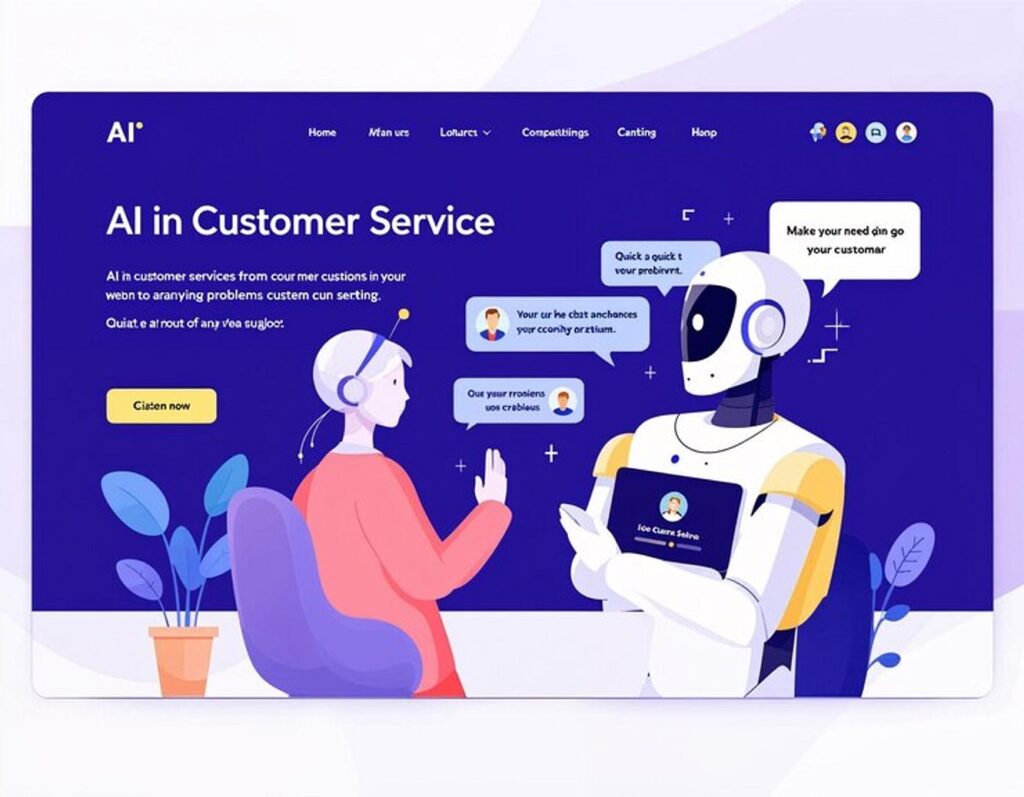
Aligning your page layout with how users process information can dramatically improve your results. Chatbot landing pages should flow from headline to supporting proof to primary call to action with as few distractions as possible.
Simple layouts beat complex ones every time. Remove anything that doesn’t serve your primary objective of getting visitors to start the chat conversation.
Leading with a benefit-focused headline that speaks directly to the visitor’s goals or problems is a great start. Follow that with a supporting line to reinforce your main point. Then place your chatbot widget (or trigger) where users will notice it immediately upon arrival.
- Headline: clearly communicates the main benefit.
- Subheading: supports the headline with convincing copy.
- Social Proof: should be placed above or next to your chat trigger.
- Don’t clutter your page with unnecessary navigation.
- Chat trigger/button should use simple language that stands out.
Simple doesn’t mean boring. By reducing cognitive overload, you help visitors feel confident they know what to do next. When each page element has a singular focus, it’s much easier for users to scan and process your message.
High-converting Chatbot Landing Page Copy
Your chatbot landing page copy should be conversational, specific, and reassuring. Sell your prospects on the benefits of starting a chat conversation by addressing their problems and how your chatbot helps.
Think about how you can minimize risk with your wording. Consider using light language that shows visitors there’s nothing to lose by chatting. Get answers in 15 seconds or find out if this is right for you are less sales-y than phrases that demand an immediate decision.
Your copy should also reflect your buyer’s expected tone and language. Are you marketing to a highly technical SaaS prospect or an ecommerce shopper? Each of these buyers will respond differently to your approach.
Design Tips for Trust
Trust is important on any landing page, but it’s even more critical when you’re asking visitors to hand over information without first speaking to a human. Sure, chatbots that look like they’ll function properly helps, but there’s more you can do.
Your chatbot landing page should feel instantly familiar. Do users know how to use your page the moment they arrive? Familiar color schemes, easy-to-read fonts, and buttons with clear states can all establish professionalism and instill confidence.
- Showcase customer testimonials or brand logos that are easily recognized.
- Assure visitors their information is safe with you.
- Consider displaying response time if your chatbot has any wait events.
- Use conversational language in your chatbot greeting.
- Avoid excessive flashy design elements that make your chatbot look unfinished.
Trust isn’t built overnight, nor is it something you can force with fancy designs. When users interact with your chatbot and feel heard, understood, and helped they’ll become customers much faster.
Key Metrics for Chatbot Landing Pages
You can track clicks on your chatbot button, but that doesn’t mean those clicks equal success. Conversation starts are just one milestone in your funnel, so you’ll want to analyze completion rates, lead scores, bounce rate, and subsequent actions.
Do many visitors start the conversation but not finish? Perhaps your chatbot questions are too lengthy. Or maybe you’re qualifying users too soon by asking them for detailed information in the first chat message.
Once you understand where people drop off in your funnel, test changing individual elements. Try different headlines, button text, opening questions, or even where you place proof points. You’ll be surprised what small tweaks can do for your overall conversation rate.
Avoid These Common Mistakes
Chatbot landing pages don’t convert when they fail to position the chatbot as an integral part of the visitors’ journey. Your chatbot shouldn’t be thought of as page decoration. If site visitors don’t understand the value of starting a chat conversation, your page won’t perform well regardless of traffic.
Requesting too much information from visitors is another frequent mistake. Online visitors approach chats differently than they would an email or phone call. Don’t pitch the chatbot as a form masquerading as human dialogue.
Instead, respect your visitor’s intelligence by being clear about what you’re trying to achieve together. Also avoid making gimmicky promises that don’t clearly articulate benefits. Never hide valuable information behind multiple clicks either.
Think about how you can remove friction at every step of the way. A high-converting chatbot landing page removes doubt and makes it as easy as possible for users to realize your chatbot is worth chatting with.