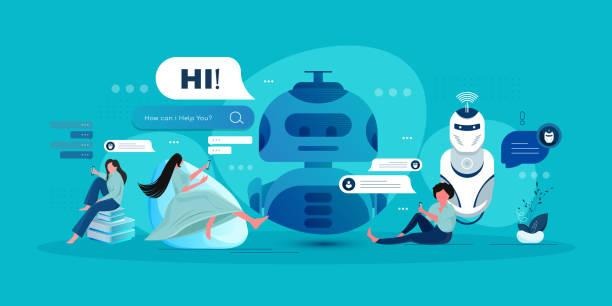

An AI-powered chatbot can do more than automatically answer frequently asked questions. Virtual assistants can lead buyers through your sales process, qualify new leads, resolve common issues, and automate conversations 24/7. Businesses that are drowning in the demand to respond faster are turning to automation as a realistic solution, not just a concept for the future.
An AI Chatbot Can …
An AI-powered chatbot reads questions using natural language processing, then analyses intent and replies with helpful responses. Instead of navigating through endless IVR menus, your customers can ask questions in their own words. Your chatbot should understand their needs then reply from a conversational language that sounds human.
Sales inquiries, support tickets, appointment setting, order tracking, product recommendations – AI bots can manage these tasks and more. When built correctly, automation can decrease repeat tasks for your teams while increasing response times for your customers, who demand 24-hour attention these days.
Why Now?
Customers want faster responses. When they don’t get the information they need quickly enough, you either lose that revenue or deal with annoyed customers. But a chatbot can keep your business running when everyone else is asleep, tied-up in calls, or focused on higher-level requests.
- Answers common questions without waiting for a human.
- Captures leads while they’re browsing your site.
- Routes critical issues to existing teams quicker.
- Allows you to provide customer service across time zones.
- Eliminate repeat tasks from your sales and support teams workflows.
Lower cost isn’t the only benefit. Consistency is another huge win. With a bot, you can control the message sent every single time your customers ask a question. Automated conversations help your brand stay consistent as you scale your communications on multiple channels.
Boost Sales Through Lead Qualification
Lead qualification used to involve cold calling, intro emails, and gatekeeper phone trees. Anyone who has been through this process knows it’s time consuming. Modern buyers already expect instant gratification when researching online. Let your chatbot qualify leads before you schedule a sales call.
Compare products, pricing, availability, and ask qualifying questions before your sales team even enters the conversation. After triggering a chat on your website, a smart bot can identify buyer intent through key questions. Then, it can score each lead based on the answers and increase lead quality for your sales team.
Save Time With Automated Customer Support
Think of all the repetitive requests your support team handles. Automated customer service starts here. Password resets, shipping delays, refund policies, and troubleshooting tips are all easy answers for your bot to manage. Equip your service teams with more time to handle sensitive or technical issues that require human intervention.
Plus, your customers will love the faster response they see from your service team. When you automate the simple stuff first, bots can provide instant acknowledgments while your staff works on resolution. No more making customers feel like they aren’t being listened to because someone hasn’t got back to them yet.
Features to Consider
Not all bots are built the same. When evaluating chatbotsai.net vs competitors, look for features like these that fit into your sales and support functions.
- Conversational language bots that learn from your FAQs.
- Easy integration with your CRM and help desk software.
- Lead capture forms that blend into the chat experience.
- Seamless handoff to your existing teams when needed.
- Detailed analytics to track customer engagement.
- Omnichannel support takes place on websites and messaging apps.
Keep your unique business workflows in mind when requesting demos. The right platform should align with your sales and support goals instead of forcing you to adapt to the tool. And remember, implementation is just as important as planning. You will get better results when your team knows how to use the bot effectively.
Prepare Your Team
Before jumping into automation, brainstorm the conversations you want to automate. Do you want to generate leads? Reduce support tickets? Schedule appointments? Or maybe all three? You’ll notice each of these goals uses different keywords and supports unique conversation paths.
From there, feed your bot common questions from past customers. Then, review chat transcripts as often as possible to fix poorly written responses. Over time, your automation tool will become smarter by analyzing conversations.
Real Talk About Chatbots
Humans love to chat with other humans. But they can also appreciate fast responses from bots that sound like they care. Keep replies short and sweet. Thank customers for their questions and stay on topic by bridging between replies.
Also, consider how your bot fails. If it doesn’t know the answer to a question, have your bot say so. Then offer to connect your customer with a live agent. You’ll reduce stress for your customers and prevent headaches for your team when the bot knows its limitations.
Gotchas!
Do you want to know the number one mistake with implementing bots? Trying to automate before you understand your customers! Map out the questions your customers are asking now. If your bot can’t quickly solve or route those conversations, they won’t use it.
Automate customer service too much and you’ll annoy your customers. They should never feel like they can’t reach a human being when sharing sensitive information, asking complicated questions; or if they’re simply frustrated. Know when to automate and when to set off alerts for your human support teams.
Wrapping It up
Chatbots are only going to get smarter. By utilizing previous purchase history, user behavior, and customer support conversations all in the same chat window, companies will be able to create personalized experiences at an massive scale.
If your business starts implementing automation today, you can learn what does and doesn’t work. Plus, you can improve revenue efficiency while laying the perfect foundation for what’s to come. Artificial intelligence bots can transform your website experience, mobile apps, and even messaging channels.