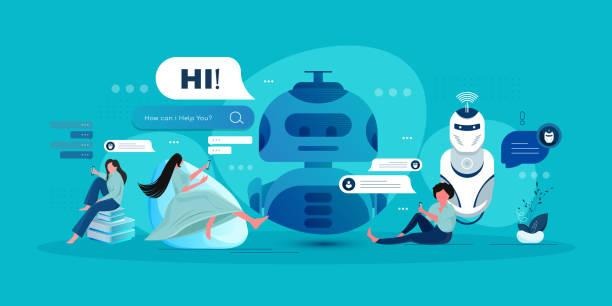
No one likes chatbots that just spit back scripted responses. Yet the latest chatbots like ChatGPT are significantly different. Customers want digital conversations that understand intent, scale support and solve problems with a humanlike touch. Businesses are taking note.
Why Chatbots Like Chatgpt Are Important Today
In an instant messaging world, consumers expect immediate service on websites, mobile apps and channels like Facebook Messenger and WhatsApp. Old-fashioned bots bombard people with endless menus and prune customers impatiently for spelling mistakes or vague replies. Chatbots like ChatGPT are different. They promise to keep conversations open and fluent.
Imagine reducing customer friction at every stage. Instead of waiting on hold or searching for answers in knowledge base articles, people get instant help. Bots can understand product queries, troubleshoot common problems and direct customers to the next best step without forcing them into the contact center. Smart companies are paying attention.
How Do They Differ From Rule-based Bots?
The older chatbots are rule-based. These systems rely on decision trees and keyword-matching. Ask them an unexpected question and they stumble. Nothing frustrates customers faster than unreliable bots that escalate to a human agent without solving their problem. Chatbots like ChatGPT don’t have that limitation.
- They understand natural language better.
- They’re designed for multi-turn conversations.
- They take away repetitive tasks from your support team.
Language models like ChatGPT generate responses based on context, not exact keyword matches. In practice, this means they can handle nuance and intent better than prior generation tools. That’s useful for any business that serves multiple industries or wants to write for a specific audience.
Businesses are already experimenting with models like these. Chatbotsai.net specializes in connecting businesses with these APIs so organizations can try them out for themselves.
Where Are Companies Putting Them to Work?
When implementing chatbots like ChatGPT, it’s important to focus on concrete business outcomes. Orders, scheduling and account inquiries are common use cases because they play to rapid replies and consistency. Qualified lead capture is another example that many organizations are leveraging for sales alignment.
When working on these types of interactions, UX teams should create strong guardrails around the bot. What should it attempt to answer? When should the bot admit it doesn’t know something? How does it behave if certain information is unavailable? These are important questions to answer before deployment.
What Do Customers Really Want?
People don’t care if their bot sounds cool. They want speed,memory and they don’t want to repeat themselves. Ideally, a chatbot will lighten the load for customer service teams by answering simple questions while remaining helpful.
Here are a few things customers want from their bot interactions:
- Quick replies assure people they reached the right place.
- Correct answers mean fewer frustration.
- Clear handoffs keep your experience intact.
Customers also appreciate when a bot is clear about what it can do. If it can answer questions, make accurate product recommendations and hand off seamlessly to a human agent when the conversation grows too complex, you’ll gain confidence faster than a generic bot.
Build your bot around these insights and you’ll notice chatbot adoption spreads quickly inside and outside your organization. Support teams have fewer repetitive tasks. Customers get their questions answered faster and with less effort.
Personalization Can Make or Break the Experience
Everyone hatesfill-in-the-blank chatbots. Once you add purchase history, browsing behavior and past conversations into the mix, you can personalize conversations without being creepy. Bot responses should flow naturally without drawing too much attention to where they’re going right … or wrong.
One thing to remember: Context is a privilege that customers earn when you provide value. They’ll be far more accepting of a bot that remembers previous conversations if it makes their life easier. As always, be transparent about what information you collect and why.
When Will Human Agents Always Be Required?
There will always be customer conversations that bots are not good at handling. Think about the types of calls or messages that require compassion, empathy and tact. AI isn’t perfect at detecting these things. Even if it could sense frustration, could it react appropriately?
AI can automate tedious tasks and route to humans more efficiently, but agents will always be needed to handle:
Empathetic Situations
If a bot doesn’t understand a question, it can hand off to a human colleague who picks up the conversation where the bot left off. Nobody wants to explain their problem like little Joe from Tech Support glued to their computer screen. Passing context through to an agent is seamless with today’s technology.
Creating Trust With Chatbots
Truth: The more your bot looks like a real conversation, the more trust a customer will pay interact with it. Does it sound like your brand?Messages should be conversational but professional. If you bot doesn’t know the answer, it shouldn’t make something up to sound helpful.
Trust is earned whenbots show consistency. Your chatbot shouldn’t try to do everything. Keep promises it can actually deliver and your customers will appreciate the honesty.
Chatbots should also be accessible to everyone. That means simple navigation if someone wants to opt-out of conversational interface and quick responses if they get stuck.
What’s Next for Conversational Ai?
Expect language models to integrate more deeply with business systems allowing companies to build better memory into chat experiences. More languages will become supported allowing organizations to scale these tools worldwide. Context will continue to improve within a session, but we’re just scratching the surface when it comes to permanence.
You can prepare for these advances today by thinking about chatbots like ChatGPT in terms of specific support use cases.
- Identify a high-volume customer support scenario.
- Start by measuring your bot’s current resolution rate.
- Connect your chatbot to reliable sources of information.
- Test your bot with questions asked by your customers.
- Tweak your bot over time by reviewing failures.
Trust is earned by showing yourself valuable over time. Going forward, treat your AIbot as another member of your support team.