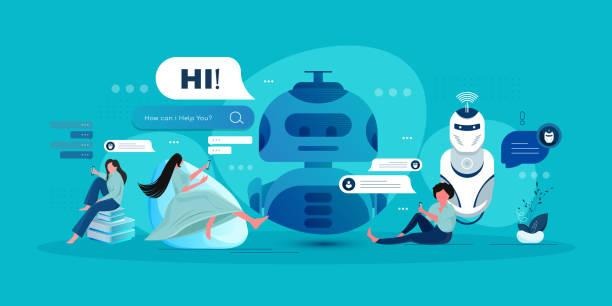

A conversational ai chatbot can transform how businesses automate customer interactions at scale. Instead of forcing customers to wait for business hours or scale queues, organizations can provide fast personalized assistance across channels while minimizing repetitive work for employees.
Conversational AI Chatbot Responsibilities
A conversational ai chatbot listens for certain keywords using natural language understanding, then replies with answers or helps users complete tasks. It can automate repetitive conversations, qualify leads, schedule appointments, and notify a human whenever the bot can’t handle the conversation.
Chatbots aren’t limited to predefined rule menus. Modern conversational AI chatbots learn from context to understand different ways that users might phrase similar questions. That flexibility allows them to serve a variety of purposes from sales and support to internal operations tasks and customer self-service experiences that more closely mimic human conversations.
The Benefits of Conversational AI Chatbots
Businesses aren’t automating conversations just because they can. Customer expectations have evolved, and people now expect instant answers when they reach websites, messaging apps, and mobile devices. A conversational ai chatbot can help provide that instant service without dedicating more staff to every traffic surge.
- Instantly handles common questions to reduce response time.
- Deflects repetitive questions to reduce support costs.
- Captures leads by interacting with visitors at key moments.
- Provides 24 hour availability regardless of timezone.
- Delivers consistent replies without risks of human error.
Instead of replacing your people, a chatbot can free up time so they can focus on higher priority work. That shift can simultaneously improve employee productivity metrics and customer satisfaction scores.
Improving Customer Conversations With Automation
Automation isn’t always graceful. But it works beautifully when applied to low-friction interactions. For instance, a conversational ai chatbot can welcome visitors, determine what they want, and route them to the next step without repeating questions or forcing them to navigate through useless pages.
It can also maintain conversation context so the discussion progresses naturally. When a user inquires about pricing then follows up with a question about how long it takes to set up, the chatbot won’t force them to start over from the top.
Conversational Best Practices
Best practices encourage a frictionless experience where customers never feel trapped. Users should understand how the bot can assist, when it might need assistance, and how to connect with a human if they have a complex issue or prefer not to communicate with a bot.
- Bot speaks in clear language that’s appropriate for the target audience.
- Bot knows answers to common questions with confident consistency.
- Bot handoffs include conversation history for seamless transition.
- Bot works on websites, mobile apps, and messaging platforms.
- Bot verifies important actions before proceeding with tasks.
Whether you realize it or not, your customers will use the bot. But they won’t notice every detail like you do. Instead, they’ll form an impression based on whether your automation served them quickly and resolved their issues. Businesses that validate conversations with real users catch problems early and build trust quicker than those who ignore feedback.
Getting the Most Value From Automation
Automation brings biggest value where repetitive questions drain employee time. Customer support teams love chatbots for order status, refunds, account unlocks, and troubleshooting. Sales teams embrace chatbots for qualification and scheduling calls.
- Customer onboarding often has predictable steps.
Instead of firing off at every pageview, a conversational ai chatbot can wait for potential customers to ask questions about setup. By instantly providing answers, chatbots can prevent abandonment and guide users towards value faster.
Real Conversations = Real Value
Users return when bots are helpful, not clingy or robotic. Tone conveys empathy, but transparency about a bot’s limitations and fast handoff options are also important. Customers feel confident interacting if they know there’s no risk of being stuck in the virtual abyss.
The same principle applies to bots themselves. You can build additional trust by linking your bot to authoritative resources like chatbotsai.net. Consistent answers between your bot and reliable websites will make both seem more useful and believable.
Metrics Matter
Feel free to measure anything, but be careful about what you conclude from the data. Common metrics include resolution rate, response time, handoff rate, lead conversion rate, and customer satisfaction. Useful metrics tell a story about how automation may be hurting (or helping) customer service.
Keep in mind that those metrics will fluctuate depending on the types of conversations. If a bot is weak at handling complaints but excellent at answering FAQs then there will be predictable dips during certain conversations. Monitoring these statistics can highlight where additional training data or workflow is required.
Common Chatbot Failures
Oversizing a chatbot at launch is the surest way to overwhelm your team and hurt conversations. Your conversational ai chatbot will perform better when you deploy it to handle a specific type of conversation, then use real transcripts to improve before continuing to expand.
Fixating on launch is another mistake. There’s no finish line in conversation design. Even if you had the foresight to create a perfectly designed bot for today, it will require maintenance as your product updates, policies change, demand trends shift with the seasons, and customer expectations evolve on each platform.
Knowing When to Expand
The sooner you start, the sooner you can learn from mistakes and identify opportunities. If you bot demonstrates value by relieving staff from simple requests then it’s time to consider expanding to new teams and connecting more systems. CRM integration, ticketing systems, and knowledge bases don’t just make your bot smarter, they make your entire organization more efficient.