Custom AI Chatbot: Why Businesses Are Building AI Solutions Tailored to Their Needs
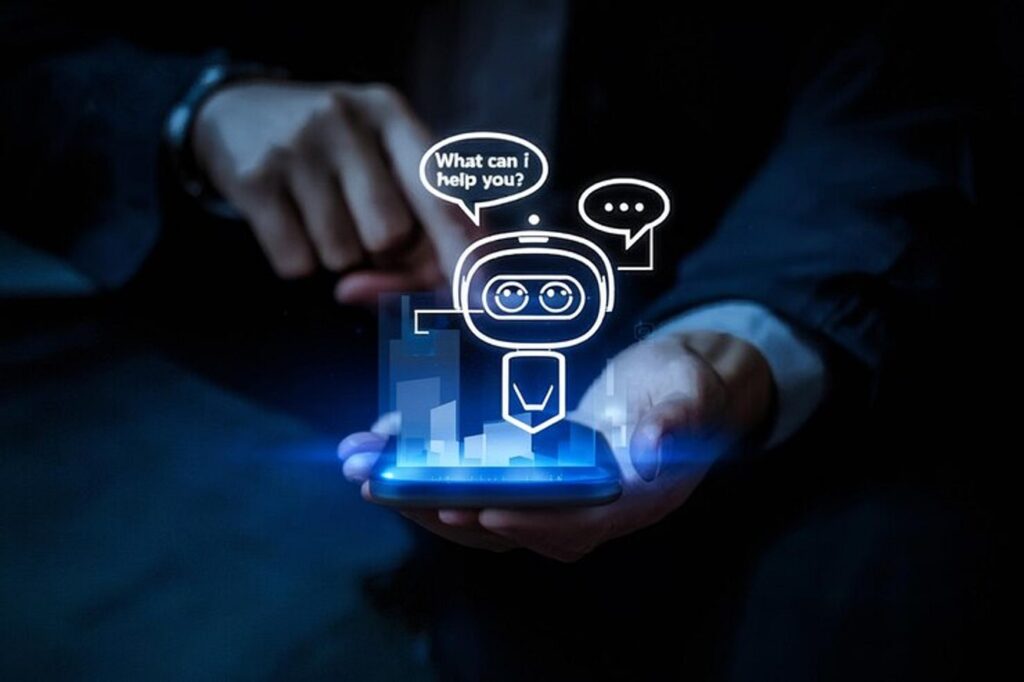
A custom ai chatbot has become a competitive differentiator for teams who want faster service, smarter processes, and personalized interactions that make sense for their customers. Businesses are moving away from forcing teams into limitations of premade automation and crafting chatbots that work better for their unique data, users, and objectives.
Limitations of Out-of-the-box Chatbots
Ready-made chatbots are useful for narrow use cases. When a chatbot can’t address more specific business questions though, it can stumble. Miss industry jargon, repeat canned responses that don’t apply, or ignore connections to internal software that employees use daily.
A custom ai chatbot closes that gap and can learn the nuances of how your company communicates, what policies you have in place, and how your support or sales process tends to work. By incorporating your own knowledge base into the chatbot training process, and designing your bot around realistic customer flows, a custom chatbot can get answers right the first time.
When those answers impact every customer’s perception of your brand, speed influences how they feel about your service, and reliability dictates whether they trust your technology, it’s important to have a smarter solution than what’s offered off the shelf.
How Is a Custom AI Chatbot Unique?
Instead of retrofitting your use case to a general bot, a custom ai chatbot is created with your specific parameters in mind. This could mean using your product listing or services, rule sets, internal documents, or even speaking tones that align with your teams’ brand across different audiences.
The benefit here is that your teams can use these bots to unlock complexity instead of struggling with it. Design your bot to escalate tickets when needed, qualify leads with smarter questioning, or walk a user through steps that align with how your business actually works.
And because these bots are customized from the start, there’s more room to grow with your business. While an out-of-the-box bot may have limits to functionality, a custom solution should be able to adapt through machine learning.
Where Would You Use a Custom Chatbot?
You can apply custom ai chatbot technology to many functions within your business: sales acceleration, customer support, helpdesk, internal operations, or employee self-service. Many businesses find success by implementing custom chatbots to assist with repetitive inquiries or high-volume tasks that take away from someone’s time but doesn’t always require a human touch.
- Support teams can deploy bots to respond to common questions about accounts, billing, or product usage.
- Sales teams can create bots to qualify leads then route to team members faster.
- Human Resources departments can create bots to explain policies or walkthrough onboarding steps.
- Operations teams can build bots to help employees submit requests or approvals internally.
- E-commerce stores can craft bots to upsell products and provide order updates.
- Financial or healthcare firms can deploy bots to allow controlled access to sensitive information.
Think about how these teams would benefit from automation; the more defined the process, the more value a bot can offer by taking that task off end users’ plates.
Why Does Customization Matter?
Bot customization matters because the more your chatbot can understand your business, the better it can respond to inquiries. Taking guesswork out of the interactions allows for faster support and more complete responses that require less human follow up.
Another benefit of a tailored chatbot is the ability to integrate it with the tools you’re already using. Pull information from your CRM system, ticketing system, or knowledge base to produce answers that don’t feel like your bot is living in its own bubble. Suddenly your chatbot can provide more timely responses and drive better conversions.
Ultimately, businesses experience a noticeable uptick in speed and quality from applying customization techniques at the foundation of their bot.
Features Every Business Should Consider
When planning for a custom ai chatbot, not every vendor will provide the ability to customize at the level you require. These are some features to consider when planning so your bot will be able to evolve with your business.
- Natural language processing should understand alternate phrasing.
- Integrations should allow connections to your key business applications.
- Knowledge base should be editable when your policies evolve.
- User roles should be built into conversations about sensitive data.
- Analytics should show common inquiries from users.
- Bot should easily handoff to a human if topic becomes complex.
Each feature will help your chatbot stay useful long after go-live. Building strong foundations up front means less restructuring later down the road.
Personalization = Customization
Personalization is great, but why does it matter? Personalization is important because someone who uses your bot wants information that applies to their situation immediately. They don’t want to browse menus for answers or endure a chatbot that doesn’t understand what they are saying.
If you build a custom ai chatbot, you can personalize based on audience segment, past purchases, location, or current customer status assuming you’ve got the proper permissions from your customers. When done effectively, personalization allows customers to feel like they are getting their questions answered faster, not trapped in a robotic interaction.
And personalization isn’t just useful for customers. Internal bots can save employees time when looking up answers too. If your bot can surface helpful knowledge faster by understanding where people work or what team they’re in, you can improve effectiveness at scale.
Start Simple. You Don’t Have to Customize Everything.
One barrier some companies have with building a custom bot is they believe it takes too long. That you need to customize everything from the get-go. While the temptation will always be there to create massive bots that try to do too much, successful implementations usually solve one problem well before trying to tackle other use cases.
Companies like chatbotsai.net have simplified the customization process by focusing on solving specific use cases effectively. By picking a problem your team wants to solve first, you can create a targeted bot that fits your needs without becoming bloated.
Think about the specific task you want to automate before diving into customization options. Keep your use case top-of-mind and build around that.
Getting Measureable Results
Once your custom ai chatbot launches, what are you measuring to prove your bot is working? Did it really reduce the amount of work your team has to do? Did you improve customer responses rates? Measures like:
- Resolution rate
- Escalation rate
- Response/time
- Lead Conversion
Are good places to start looking at your bot’s impact. It also helps to measure the same statistics from before your bot was deployed. That way, when you share your data with stakeholders, there’s a clear ‘before and after’ snapshot they can understand.
Building a custom ai chatbot is a journey, not a destination. Part of your measurement strategy should include how you will continue to measure success on an ongoing basis.