Why Are AI Chatbots Designed to Sound Like People? Understanding Human-Like Conversations
Why Are AI Chatbots Designed to Sound Like People?
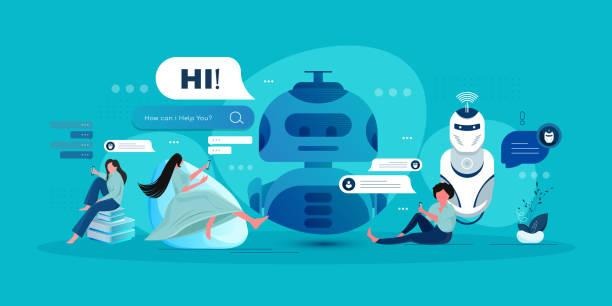
AI is changing the way people interact with technology. When you communicate with a virtual assistant, it can sometimes feel as though you are talking to a real person. This is intentional. The answer to “Why are AI chatbots designed to sound like people?” is largely connected to usability. Human-like communication makes technology feel more natural, accessible, and comfortable to use.
This article explores why developers create human-sounding chatbots, the benefits of this approach, and some of the challenges and ethical considerations involved.
What Does It Mean for an AI Chatbot to Sound Like a Person?
Before understanding why AI chatbots are designed to sound like people, it is important to understand what “sounding human” actually means.
It does not mean that a chatbot has human emotions, thoughts, or consciousness. Instead, it means that the chatbot uses language patterns, tone, conversational structure, and expressions that resemble human communication.
Simple elements such as greetings, empathy-oriented language, humor, and conversational transitions can make interactions feel more natural. For example, phrases such as “That sounds great!” or “I understand why that might be frustrating” can create a conversational experience that feels less mechanical.
The Psychology of Human-Sounding AI
One of the main reasons why AI chatbots are designed to sound like people is human psychology. People naturally respond more positively to familiar communication styles.
When a chatbot uses overly technical or robotic language, users may find the interaction uncomfortable or difficult to follow. Natural language can make users feel more relaxed and engaged.
Human-like communication can also create a sense of familiarity. This is similar to why people often prefer friendly and respectful customer service over impersonal communication.
The Purpose of Human-Like Chatbots
The primary purpose of making chatbots sound human is to make technology easier and more intuitive to use. Users should not need to memorize complicated commands or understand how an AI system works before asking a question.
They can simply communicate in everyday language.
Key goals include:
- Accessibility: Makes technology easier for people with different levels of technical experience.
- Engagement: Keeps users interested in the conversation.
- Clarity: Uses familiar words and conversational structures to reduce confusion.
- Trust: Creates a more comfortable interaction through respectful communication.
- Personalization: Allows responses to be adapted to the user’s questions and conversational context.
By using natural communication, developers can create systems that feel less mechanical and easier to interact with.
The Role of Language and Tone
Tone plays an important role in answering the question, “Why are AI chatbots designed to sound like people?”
The tone of a chatbot can influence how users perceive an interaction. A warm tone may make a conversation feel more welcoming, while a professional tone can communicate reliability and authority.
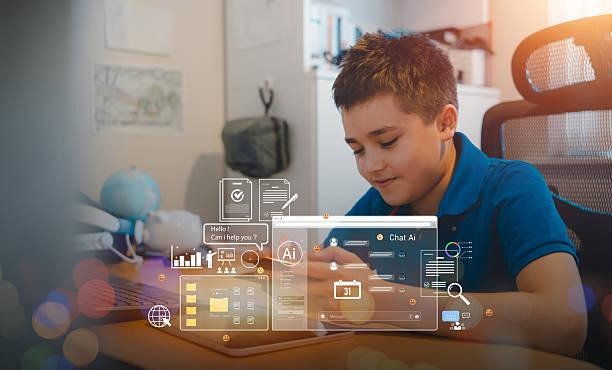
AI systems can also adapt their communication style based on context. For example, a customer service chatbot might use a calm and respectful tone when responding to a frustrated customer, while a learning assistant may use an encouraging tone when helping a student.
This flexibility can make users feel that the system is responding appropriately to their situation, even though the chatbot does not actually experience emotions.
The Technology Behind Human-Like Conversations
The development of human-sounding chatbots relies on several AI technologies.
Natural language processing helps systems understand and generate human language. Machine learning allows models to identify patterns in conversations and improve their ability to respond appropriately.
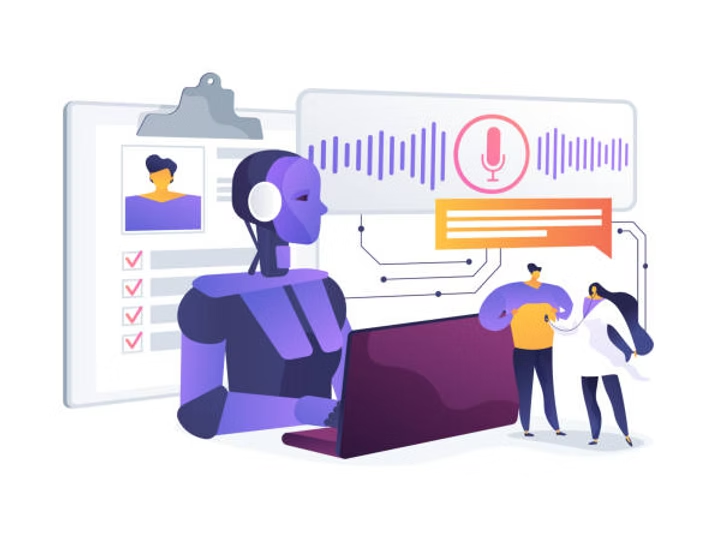
Voice-enabled chatbots can also use speech recognition and speech synthesis to understand spoken language and generate natural-sounding responses. Some systems use sentiment or emotion detection to identify cues in a user’s message and adjust the tone of their response.
Together, these technologies help create conversations that feel smoother and more natural.
Why Companies Use Human-Like Chatbots
Businesses also understand why AI chatbots are designed to sound like people. A conversational chatbot can make customer support more approachable and convenient.
A well-designed chatbot can answer questions, provide information, guide customers through processes, and escalate complex issues to human agents. Faster and more accessible support can improve the overall customer experience while reducing the amount of repetitive work handled by support teams.
However, the goal should not be to deceive customers into believing they are communicating with a human. Transparency is an important part of responsible AI design.
Emotional Connection and User Engagement
Humans are naturally social, so conversational technology can benefit from communication styles that feel familiar and engaging.
Users may feel more comfortable interacting with a chatbot when its responses acknowledge their questions and maintain a consistent conversational tone. This can be particularly useful in areas such as customer service, education, entertainment, and productivity.
However, users should remember that an AI chatbot does not have genuine feelings or personal experiences. The emotional style of its responses is generated through software.
Ethical Implications of Human-Like AI
Designing AI to sound human also creates ethical responsibilities. Developers should make it clear when users are communicating with an AI system rather than a human.
Transparency helps prevent users from developing unrealistic expectations about what the chatbot can understand or feel.
Responsible chatbot design should consider:
- Transparency: Clearly identifying the system as AI.
- Privacy: Protecting personal and conversational data.
- User consent: Giving users appropriate control over their interactions.
- Safety: Preventing harmful or manipulative responses.
- Boundaries: Avoiding designs that intentionally encourage unhealthy emotional dependence.
The goal is to make AI comfortable and useful without misleading users about its capabilities.
Chatbot Design and the E-E-A-T Framework
The E-E-A-T framework—Experience, Expertise, Authoritativeness, and Trustworthiness—can also provide useful principles for evaluating AI-generated experiences.
- Experience: Developers can test chatbot interactions using real-world scenarios to improve response quality.
- Expertise: Linguists, engineers, researchers, and subject-matter experts can contribute to the development and evaluation of AI systems.
- Authoritativeness: Businesses should provide clear information about their technology, policies, and capabilities.
- Trustworthiness: Privacy, security, accuracy, and transparency should remain central to the design.
These principles can help organizations create AI systems that are not only conversational but also responsible and reliable.
Challenges of Making Chatbots Sound Human
Despite the benefits, creating human-like AI presents several challenges.
A chatbot that sounds too human may cause users to misunderstand its capabilities. Some people may assume that the system understands emotions or possesses consciousness when it does not.
Developers therefore need to balance natural communication with transparency. The goal is to make AI pleasant and useful without creating the false impression that it is a human being.
Cultural differences also matter. A communication style that feels friendly in one culture may sound unusual or inappropriate in another. Effective AI systems need to account for differences in language, communication preferences, and cultural expectations.
The Future of Human-Like AI Chatbots
AI chatbots are likely to become increasingly sophisticated. Future systems may become better at understanding context, adapting communication styles, and personalizing conversations.
Voice interfaces may also become more natural, allowing users to communicate with AI through speech, text, or other forms of interaction.
As these systems become more capable, responsible design will become even more important. Human-like communication should improve usability while maintaining clear boundaries between artificial intelligence and genuine human interaction.
Conclusion
So, why are AI chatbots designed to sound like people? Because human-like communication can make technology easier, more engaging, and more comfortable to use.
A chatbot that communicates naturally can reduce confusion, improve accessibility, and create better customer and user experiences. However, sounding human does not mean that an AI has human emotions, consciousness, or genuine understanding.
The most effective AI chatbots combine natural communication with transparency, privacy, safety, and responsible design. When these principles are applied correctly, human-like AI can help bridge the gap between people and technology while keeping users informed about what they are actually interacting with.
FAQs
Why are AI chatbots designed to sound like people instead of machines?
Human-like communication makes AI easier and more comfortable to use. It can improve engagement, reduce confusion, and help users communicate with technology using everyday language rather than complicated commands.