
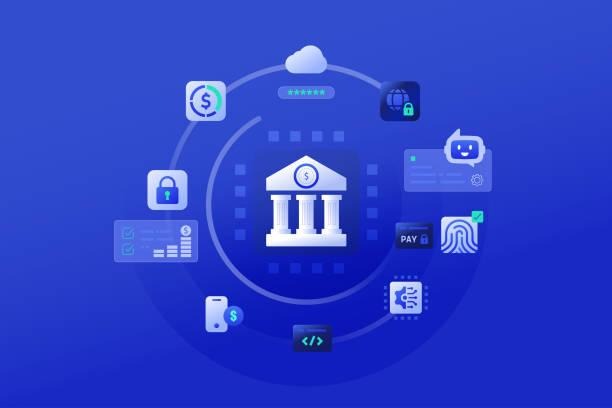
Conversational AI in Banking
The banking industry is rapidly evolving as customers expect financial services to be faster, more convenient, and available whenever they need them. Traditional customer service methods can struggle to keep up with high volumes of questions and routine requests. This is where Conversational AI in Banking is becoming increasingly valuable.
AI-powered chatbots and virtual assistants allow banks to provide immediate assistance across websites, mobile applications, and digital banking platforms. Customers can receive answers to common questions, find information about their accounts, and get guidance on banking services without waiting for a human representative.
At ChatbotsAI.net, we explore how AI-powered chatbot technology can improve customer interactions across different industries. Banking is one area where conversational AI can make a significant difference by combining automation, accessibility, and personalized communication.
What Is Conversational AI in Banking?
Conversational AI in Banking refers to artificial intelligence systems that allow customers to communicate with financial institutions through natural language.
These systems can understand customer questions, identify their intent, and provide relevant responses through text or voice. Unlike traditional automated systems that rely heavily on predefined commands, conversational AI can interpret different ways of asking the same question.
For example, a customer might ask:
- “What is my current balance?”
- “How much money do I have in my account?”
- “Can you show me my balance?”
A conversational AI system can recognize that these questions have the same general intent and respond accordingly.
Banks can integrate conversational AI into mobile banking applications, websites, messaging platforms, and customer service systems.
How Does Conversational AI Work in Banking?
Conversational AI typically follows several steps when responding to a banking customer.
1. Customer Sends a Request
The interaction begins when a customer types or speaks a question to a chatbot or virtual assistant.
2. AI Understands the Request
The system analyzes the customer’s language to determine what they are asking for. Natural language processing helps the AI interpret different words, phrases, and conversational styles.
3. The System Retrieves Relevant Information
Depending on the request and the customer’s authorization, the system can access approved banking information or retrieve information from a knowledge base.
4. The AI Generates a Response
The chatbot provides an appropriate answer based on the information available to it.
5. Complex Requests Can Be Escalated
If the request requires human judgment or cannot be handled safely by the AI, the customer can be transferred to a banking representative.
This combination of automation and human support allows banks to handle simple requests efficiently while reserving human expertise for more complex situations.
Benefits of Conversational AI in Banking
Financial institutions can gain several advantages by implementing conversational AI.
Faster Customer Support
Customers can receive immediate answers to common questions instead of waiting in a support queue. This can make everyday banking interactions significantly more convenient.
Improved Customer Experience
Conversational AI can provide consistent and responsive assistance across digital channels. Personalized interactions can also make customers feel that services are more relevant to their individual needs.
Greater Operational Efficiency
Automating repetitive requests allows banking employees to spend more time handling complex issues, customer relationships, and tasks that require human expertise.
Reduced Support Costs
By handling a portion of routine customer inquiries automatically, AI systems can help financial institutions manage support workloads more efficiently.
24/7 Availability
Unlike traditional customer service teams, AI assistants can operate around the clock. Customers can receive assistance outside normal banking hours, including evenings, weekends, and holidays.
Key Features of Banking Chatbots
Modern conversational AI solutions can support a wide range of banking-related tasks.
Common capabilities include:
- Account balance inquiries
- Transaction and payment information
- Card activation guidance
- Card management assistance
- Loan and mortgage information
- Password and account access support
- Frequently asked questions
- Fraud and security notifications
- Customer authentication
- Multilingual support
- Integration with mobile banking platforms
- Connection to human customer service agents
The exact capabilities depend on the bank’s systems, security requirements, and AI implementation.
Real-World Applications of Conversational AI in Banking
Conversational AI can be applied throughout different areas of financial services.
Account Assistance
Customers can use virtual assistants to find information about balances, transactions, and account services.
Card Support
AI assistants can help customers understand card-related procedures, including activation, replacement requests, and general card management.
Loan Assistance
Customers can ask about loan products, eligibility requirements, application processes, and documentation.
Account Access
Conversational AI can guide customers through common account access and password-related issues.
Fraud and Security Support
AI-powered systems can provide information about suspicious transactions or direct customers toward the appropriate security procedures.
General Banking Questions
Chatbots can answer frequently asked questions about fees, banking policies, services, branch information, and other common topics.
These applications demonstrate how conversational AI can reduce response times while making banking services easier to access.
Advantages and Limitations
Like any technology, Conversational AI in Banking has both strengths and limitations.
Advantages
- Faster customer service
- 24/7 availability
- Consistent responses
- Reduced repetitive workloads
- Improved operational efficiency
- Better digital accessibility
- Scalable customer support
- Potentially lower service costs
Limitations
- Requires regular maintenance and updates
- May misunderstand unusual or complex requests
- Cannot replace human judgment in every situation
- Requires strong security controls
- Depends on accurate and current information
- Needs ongoing monitoring and testing
For these reasons, banks should treat conversational AI as a tool that supports employees and customers rather than assuming it can replace every form of human assistance.
Best Practices for Using Conversational AI in Banking
Successful implementation requires more than simply deploying a chatbot.
Protect Customer Information
Banks should apply strong security measures to protect sensitive financial and personal information.
Keep Information Updated
The chatbot’s knowledge base should reflect current banking products, policies, procedures, and regulations.
Test AI Responses Regularly
Financial institutions should continuously evaluate chatbot responses to identify inaccurate, confusing, or inappropriate answers.
Provide Human Escalation
Customers should have an easy way to reach a human representative when their problem requires additional assistance.
Make Conversations Simple
Banking chatbots should use clear language and straightforward conversation flows so customers can complete tasks without unnecessary complexity.
Monitor Customer Feedback
Feedback can reveal where customers are struggling and help banks improve their conversational AI systems over time.
At ChatbotsAI.net, we believe the most effective approach combines AI automation with human expertise. This allows organizations to benefit from automation without losing the personal support customers may need.
Common Mistakes Banks Should Avoid
Poor implementation can reduce the effectiveness of a banking chatbot.
Some common mistakes include:
- Providing outdated or inaccurate information
- Failing to update banking policies
- Making conversations unnecessarily complicated
- Ignoring customer feedback
- Limiting access to human support
- Using insufficient security measures
- Expecting AI to handle every type of request
Avoiding these issues can help financial institutions create more reliable and customer-friendly digital experiences.
Why Conversational AI Is Becoming Important in Banking

Customer expectations are changing rapidly. People are increasingly accustomed to digital services that are fast, convenient, and available on demand.
Banks therefore need to provide digital experiences that meet these expectations while maintaining appropriate levels of security and customer support.
Conversational AI can help financial institutions respond to common requests quickly and reduce the workload placed on customer service teams. At the same time, employees can focus on more complicated financial questions and situations that require personal attention.
As AI technology continues to develop, responsible implementation can help banks create more efficient digital services without removing the human element from financial support.
The Future of Conversational AI in Banking
The role of AI in financial services is likely to continue expanding. Future banking assistants may become better at understanding customer intent, providing personalized guidance, supporting multiple languages, and connecting customers with relevant financial services.
However, the development of these systems will also require strong attention to security, privacy, transparency, and accuracy.
The most successful financial institutions will likely be those that use AI to complement their employees rather than treating automation as a complete replacement for human interaction.
Conclusion
Conversational AI in Banking is changing how financial institutions communicate with customers and manage everyday support activities. AI-powered assistants can answer common questions, provide information, automate repetitive tasks, and make digital banking services available around the clock.
While conversational AI offers significant benefits, banks must implement it responsibly. Accurate information, strong security, regular monitoring, and access to human assistance remain essential.
When these elements work together, conversational AI can help create banking experiences that are faster, more accessible, and more efficient while allowing banking professionals to focus on situations that require human expertise.
For more information about AI chatbot technology and its applications across different industries, explore ChatbotsAI.net.
Frequently Asked Questions
Is Conversational AI in Banking secure?
Conversational AI can be designed with security measures such as authentication, encryption, access controls, and monitoring. Banks should ensure that AI systems follow their security and data protection requirements.
Can Conversational AI replace bank employees?
No. Conversational AI is primarily useful for automating routine interactions and assisting customers with common requests. Human employees remain important for complex financial situations, sensitive issues, and decisions requiring professional judgment.
What is the main benefit of Conversational AI in Banking?
One of the biggest benefits is faster and more accessible customer support. AI assistants can respond to routine questions at any time while reducing the workload on banking support teams.
Where can banks use Conversational AI?
Banks can use conversational AI across websites, mobile applications, online banking platforms, messaging channels, and customer service environments.
Does Conversational AI provide 24/7 banking support?
AI assistants can provide automated support around the clock. However, services involving human approval or specialized assistance may still require interaction with banking staff during designated hours.