AI Chatbot for Healthcare: Benefits, Use Cases and Challenges for Healthcare Providers

AI Chatbot for Healthcare
Healthcare providers deal with several questions each day. Some patient may require assistance with an appointment, office information, paperwork or other health-related information. An AI Chatbot for Healthcare can assist participants with some of these tasks and provide a more expedient means for patients to obtain basic information.
This is not to replace doctors, nurses or any other health care worker. But it offers things that can have a positive impact on staff and ease the use of digital services. We at ChatbotsAI.net think that the aim of healthcare AI should be pragmatic communication, honesty, boundaries and human oversight.
What Is an AI Chatbot for Healthcare?
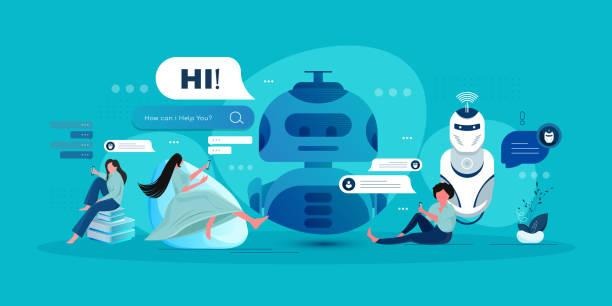
The AI Chatbot for Healthcare is a digital assistant that is able to talk to patients in natural language. Users can enter questions into a site, mobile application, or website that has been authorized to provide them with the answers they seek.
Healthcare providers for a specific task can tailor these tools. For instance, a chatbot may clarify the actions users must take to set an appointment, reply to frequently asked questions, or guide users to information on a healthcare website. It’s important for experts to decide on treatments and medication.
How Does It Work?
The first step is to establish the knowledge worker ‘bot’s purpose by a healthcare provider. The system may provide information that it has been approved to answer common questions and to direct the user to appropriate services. There should be clear guidelines on tasks not to be performed by a chatbot to avert it from doing them.
As someone types a message for the person, the AI processes what he or shelve typed and replies with an appropriate response. For any question with a medical aspect, personal care, or one, which requires a professional assessment, the system should assist the patient to see a medical professional, nurse, midwife or other appropriate health care professional.
Benefits for Healthcare Providers
What is good about an AI Chatbot for Healthcare is that they provide quicker service. Patients get answers to common of them without awaiting a phone call or email reply. This can lead to a more convenient way of getting basic services.
Additionally, healthcare workers can benefit from decreased repetitive tasks with the aid of chatbots. Staff can dedicate less time answering the same, easy, repetitive questions. This allows them to concentrate more on the human interaction and professional judgment required for tasks.
Common Use Cases
Through an AI Chatbot for Healthcare, healthcare providers can respond to questions regarding their office hours, appointments, offices, services, and information about the basics of the office administration. It may also be able to lead users to forms and other authorize resources likewise.
Another use case is for general health education. A chatbot can be used to clarify basic terms with simple language and guide users to good information. Avoid making diagnoses and/or treatment recommendations without the proper health professional oversight.
Key Features
It could be nice if the chatbot features some capability for scheduling appointments, answering common questions, helping users navigate the services, reminding users, or even offering multilingual support. Some of these features may assist users to get their hands on something without using much effort.
Like language, the items that are asked about in medical facilities can also be found through conversation reviews. Staff may be able to use these understandings to help enhance website material and patient help. Any use of personal information should follow appropriate privacy and security practices.
Real-World Examples
Patients in a Doctor’s office need help in finding information about their appointments. The chat bot may give directions on an appointments allocation or office information. It might then channel users to to the right secure system.
In the healthcare sector, a chatbot integrated into a bigger healthcare provider’s website can be valuable for assisting visitors with navigating the site. The patients need to search a department, grasp a service and discover a digital form. Such tasks can be made easier by the use of a focused assistant that makes medical decisions without them.
Challenges and Limitations
The problem is that of getting accuracy. AI may misinterpret a query, or give the incorrect response. Providers should thoroughly examine the content of the chatbots and also have simulated everyday interactions to ensure a system is broadly accessible before implementation.
Another large issue is “privacy.” Information within the health sector could be sensitive. Providers should have appropriate information security policies and procedures in place. An AI Chatbot for Healthcare should also only make it very clear when the user requires a human to help!
Pros and Cons
The primary benefit is that it is handy. Basic information can be done in time quickly, whereas more time is spent on complex information by staff. The Chatbot can also be able to support employees during non-work hours on appropriate activities.
Best Practices
There must be a clearly defined and comparatively trivial use case starting with a healthcare provider. An AI Chatbot for Healthcare might be suitable for purposes of appointment guidance or general service questions in advance of introducing more complicated features before a company starts to consider more powerful features.
In addition to that clear communication is important. Patients need to be informed that they are using an AI tool. Each provider must describe the capabilities of the chatbot and teachers should be aware of these limitations. We at ChatbotsAI.net believe it’s essential to test, review content regularly, and have a straightforward process in place for customers to access human assistance.
Common Mistakes
One of the pitfalls is expecting a chatbot to reply on all questions of patients. In some situations, empathy, clinical knowledge and/or professional judgment is needed. There should be clear boundaries in automating.

One of the other errors is not updating information. The details, rules and procedures about the offices may change. Chatbot content should be regularly reviewed to ensure provision of relevant and up-to-date advice.
Building Trust
It’s vital to learn how to trust one of an AI Chatbot for Healthcare when you’re using one. Patients should be educated on the functionality of the tool and the kind of information that will be offered through the tool. The conversational space with bots should not be used for sensationalist statements and must recognize and define what bots cannot do.
Measuring Success
You should measure the practical outcomes (i.e. results) in line with providers. Measures of usefulness can be such as response time, successful service requests, user satisfaction, appointment navigation and transfers to human staff.
Teams also to check for any conversations that did not yield helpful answers. Such cases can offer insights into areas where the chatbot needs knowledge improvements or modifications in design. System improvements, built from people’s feedback can improve the system over time.
Conclusion
An AI Chatbot for Healthcare can transform providers’ ability to communicate routinely and to provide digital services that are easier to use. It is capable of providing answers to frequently asked questions, to leading patients, assisting with administrative tasks and to minimizing repetitive work by staff.
Frequently Asked Questions
What can an AI healthcare chatbot do?
Can respond to mundane questions, offer general information, make users navigate websites and assist administration tasks. Its impact will differ according to the system design of the healthcare provider.
Can Chatbots Diagnose People?
Do not be a substitute for a skilled health care provider in diagnosis or treatment. Those who have medical issues should go see a professional for proper treatment.
Is an AI Chatbot for Healthcare safe?
Appropriate utilization is possible with appropriate security controls, restrictions, privacy policies, and human monitoring. It is important for healthcare organizations to take great care in the way it communicates information.