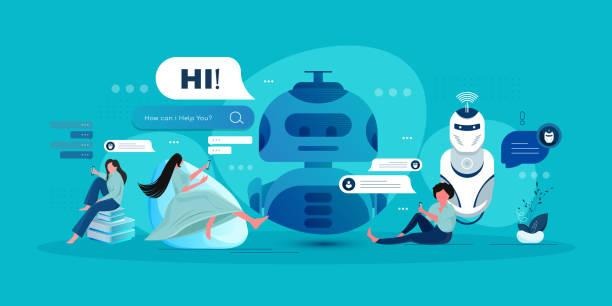

What used to be a novelty has now become an expected support channel. Customers demand quicker responses, simpler self-service, and assistance at all hours of the day or night. AI chatbots are elevating customer expectations while simultaneously streamlining work for help teams.
Defining Chatbot Customer Service Today
Chatbot customer service encompasses digital tools that respond to inquiries, guide users, and troubleshoot issues via conversation. Cutting-edge bots do more than spit out scripted replies – they recognize intent, direct requests to the appropriate place, and tailor answers based on context.
Deployed across web channels, messaging apps, and mobile applications, this technology empowers businesses to minimize wait times and enhance accessibility. While some may see chatbots as a replacement for live agents, many teams actually aim to free up staff members so they can dedicate more time to complex requests.
Why Teams Are Embracing Ai-powered Support
Think computers are taking your job? AI may be part of the solution. Demand for support continues to rise while budgets stagnate. Chatbots can handle repeat questions at volume, which reduces stress for overtaxed teams and improves experiences for customers who need instant assistance.
- They’re available 24/7.
- Chatbots help limit queues from building during peak support times.
- They provide accurate responses to frequently asked questions.
- Many bots can gather basic information from visitors before escalating to an agent.
- Automated support can assist multiple customers at once without getting overwhelmed.
Speed and consistency are valuable traits, particularly when every second affects client satisfaction. For teams that want to offer AI assistance without starting from scratch, websites like chatbotsai.net demonstrate what’s possible today.
Giving Customers Fast Responses
Response time is one of the primary reasons people appreciate automated support. Rather than wait their turn in a queue, customers can ask a bot a question and instantly receive an answer about order status, password resets, reservation details, policy guidelines, and more.
Chatbots are also capable of decreasing resolution time by gathering clarification before connecting customers with human agents. The end result? Service teams receive valuable information they can use to quickly and efficiently work through problems without excessive dialog.
Meeting Customer Expectations
Speed isn’t everything. Customers want answers that actually solve their problems. If an interaction feels robotic and irrelevant, irritation sets in rapidly. Effective chatbot customer service must be accurate, conversational, and able to recognize when it’s time to pass off the conversation to a live agent.
- Simple language is more effective than trying to be cute.
- Chatbots should account for variations in how questions are asked.
- Customers should be able to reach a live agent easily.
- Responses should adhere to brand guidelines and positioning.
- Interactions should feel productive, not like running in circles.
When bots meet these basic expectations, customers are more likely to embrace automation as a helpful resource, rather than viewing it as a roadblock. Which brings us to another important point: trust. If users don’t trust the chatbot, they’ll abandon the interaction.
Enhancing Bot Accuracy With AI
Old chatbots could only rely on decision trees, but AI chatbots learn from past conversations and language patterns. Machine learning equips chatbots to better interpret customer intent by handling natural sentences that don’t contain exact keywords or fit within predefined rules.
Thanks to AI, chatbots also become more effective over time. Collect enough conversations, and businesses will start to see gaps in knowledge, spotting areas that need revision. Whether it’s adjusting intents or updating the knowledge base, chatbots grow more refined as they talk to more customers.
Why Humans Are Still Necessary
Don’t forget – bots aren’t perfect and shouldn’t be relied upon for every scenario. Politics, billing inquiries, technical disruptions, and special cases often demand a human touch. Empathy and complex decision-making are not something bots can offer, no matter how advanced AI becomes.
Identifying situations where chatbots fall short is the first step to avoiding customer frustration. Instead of dead-end conversations, leading teams deploy automation as the first tier of service with an intuitive handoff to a human agent when necessary. It’s the perfect marriage of instant support and genuine care.
Best Practices for Chatbots
When built correctly, chatbots can transform the way you serve customers. Before designing your bot, analyze existing customer data and identify the real problems your customers need solved. Training your chatbot on real-world conversations will create a practical assistant customers will love.
- Identify common customer questions to address first.
- Ensure agents are easy to reach from the start.
- Track your bot’s accuracy, containment rate, and customer satisfaction.
- Regularly analyze conversations where the bot failed to contain.
- Update your bot when any business policies or information changes.
Good chatbot design also accounts for brand tone and a commitment to privacy. The more customers understand about how data is used and what the bot can do to help them, the more comfortable they’ll feel interacting with your bot.
Ideal Use Cases for Bots
High-volume tasks with low variation are ideal for chatbots. Order fulfillment updates, booking systems, login troubles, shipping delays, and troubleshooting are fantastic starting points for chatbot customer service. Why? Because they require the bot to follow predictable steps.
Seasonal businesses also benefit from chatbots because they can assist with high-volume requests while teams are busy focusing on core priorities. That’s why we built chatbotsai.net – to help teams like yours leverage artificial intelligence to manage workflows through all parts of the year.
How Will Customer Service Change?
Having a chatbot doesn’t mean you can kiss your customer service team goodbye. Instead, agents can focus on the types of problems that bots can’t solve. Whether it’s handling employee benefits, negotiating resolutions, or exercising compassion, people are still very much needed in support.
To better understand how chatbots and human agents complement each other, here is a comparison of their strengths across various aspects of customer service:
| Feature | Chatbots | Human Agents | Result |
| Availability | 24/7 | Limited to shifts | Improved coverage |
| Handling Complexity | Basic queries | Complex issues | Balanced workload |
| Response Speed | Instant | Slower during busy times | Optimized response time |
| Personalization | Based on data patterns | Empathy-driven | Tailored experiences |
By leveraging the unique capabilities of both bots and agents, businesses can create a cohesive customer support strategy.
There will always be a place for human agents, but AI will change how teams are utilized. By blending AI automation with human support, businesses can provide better service for customers and more fulfilling work for teams.
What’s exciting about this future is helping teams work together harmoniously. The key to success isn’t choosing bots over agents and vice versa. Instead, the winning formula is one where bots and agents do what they excel at best.