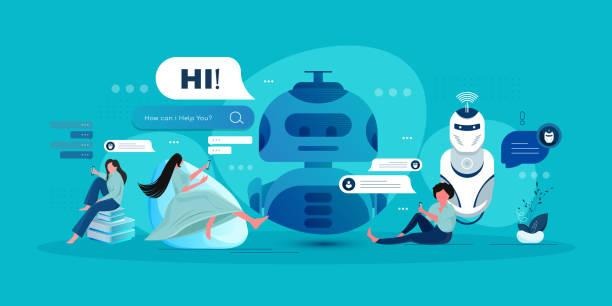

The expectations of customers have evolved. People expect instant answers, easy access to info, and support that is not clock-driven. Meeting all the expectations for companies having a lot of customer interactions can be very tough and very expensive.
These chatbot software can give you a way to automate routine conversations while also keeping the human agents available in case of any complex situations that the chatbot cannot handle. These chatbots can help you handle many tasks at once, such as collecting customer information and completing common organizational tasks.
The problem is selecting the appropriate solution. Each platform has its own strengths in terms of AI features, integrations, pricing, and automation. This article will outline the capabilities of the chatbot software, important features, and selecting the best option for your customer service and automation requirements.
What Is Chatbot Software?
Chatbot software enables companies to write and maintain automatic conversation with visitors to their site, their customers or their employees. In general, the traditional chatbots are rule-based, while modern AI bots are able to read the natural language and respond accordingly to the business information.
Using chatbot software, a business can do a lot of things, like:
- Answering frequently asked questions
- Providing product information
- Checking order status
- Collecting customer details
- Qualifying leads
- Scheduling appointments
- Troubleshooting common problems
- Directing customers to relevant resources
- Connecting customers with human agents
Why Businesses Use Chatbot Software
The main reason most businesses opt for chatbot software is to handle customer inquiries efficiently, even during off-hours. Customer service usually involves repetitive customer questions that do not require intricate decision-making. Taking time from your customer service to repeat a question to your employee can squander time that you could be spending on more challenging issues with customers.
These simple requests can be automated using an AI chatbot. They get answers in a timely manner, and agents have time to attend to human judgment cases. Chatbot software can also be useful for providing customer support outside of business hours. Offline agents can provide an automated service and access to the relevant information to customers.
Key Features to Look For
AI and Natural Language Understanding
Modern chatbot software should understand the meaning behind a customer’s question rather than relying entirely on exact keywords. Customers may ask the same question in several ways. A capable AI chatbot should recognize that connection and provide the appropriate response. It should also handle follow-up questions and maintain context during a conversation.
Knowledge Base Integration
To give accurate answers, your chatbot must have accurate data. Search for software that is capable of linking to your website, FAQs, product documentation, help center, or other approved knowledge sources.
This will enable the AI to respond with industry-specific answers while you are posing queries. The information should also be easy to update. If there are any changes in the return policy or pricing, the chatbot should not give out any outdated answers.
Human Handoff
Automation shouldn’t be the barrier to your customers getting help from your business. The top chatbot software platforms enable conversations to seamlessly shift from AI to human agents when needed. It is particularly relevant for sensitive, complex complaints and technical issues. The handoff should maintain conversation history to the extent possible. When a customer is transferred, he shouldn’t have to explain his problems again.
CRM and Help Desk Integrations
Integrations enable the chatbot to seamlessly interact with your business’s existing tools.
Helpful integrations can be:
- CRM platforms
- Help desk software
- E-commerce systems
- Marketing platforms
- Scheduling tools
- Customer databases
- Analytics platforms
For example, if you connect your CRM to a chatbot, then it can help you capture leads and send them directly to your sales teams.
Best Chatbot Software for Customer Service
There is no single solution that works for every business. The best option depends on your size, industry, budget, customer volume, and technical requirements.
Intercom
Intercom brings together customer messaging, support automation and AI-powered customer service. It is meant for companies which would like to handle customer conversations while increasing automated support with human touch. It can answer questions, direct customers through the support processes and minimize repetitive tasks.
Zendesk
Zendesk includes AI-powered chatbots and broader support tools to strengthen the connection between automated conversations and traditional customer service workflows. The value of a chatbot lies in how automated conversations are connected to traditional customer service workflows. You can use the AI to handle routine questions while also giving your human agents freedom to take over from the AI in case of any complications.
Tidio
This software will combine customer automation and AI features to help you manage a lot at once. For small and medium-sized businesses, it can be helpful to communicate with the visitors of the website and to automate some of the common questions. Its live agents and automated support can be of great help in supporting customers while simultaneously engaging potential buyers.
Freshdesk and Freshchat
Customer service and messaging tools provided by Freshworks can integrate AI-powered automation into customer support processes. These solutions can be utilized to address common questions, automate support processes, and tie in conversations to larger customer support processes.
Chatbase
Business-specific information is the focus of Chatbase, an AI-powered chatbot. Companies can develop their own assistants to reply to customers’ inquiries, utilizing their own content and knowledge sources.
It’s helpful for companies that desire a website chatbot that can respond to inquiries regarding the products and services, along with documentation. Ideal for: Knowledge based customer support, companies that wish to create an AI assistant based on their content.
How Much Does Chatbot Software Cost?
The quote depends upon the platform and features required. Some options may offer free or low-cost plans for small businesses. Enterprise implementations can be on a per-user, per-conversation, per-usage of AI, features, or customer service agent seat. When deciding who is “cheap,” look at the entire cost of the subscription and not just the initial price.
Check whether you will pay extra for:
- Higher conversation volumes
- Additional AI usage
- Premium integrations
- Human agent seats
- Analytics
- Advanced automation
- Custom development
- Implementation support
There are platforms that may be more expensive but offer more functionality to get more work done in that same month, and offer good integration with your current systems.
How to Choose the Right Chatbot Software
First, you need to find the primary issue you are looking to resolve. When customer service is a top priority, prioritize knowledge management, AI accuracy, human handoff, and help desk integration. When sales automation is of higher priority, seek lead qualification, CRM integration, analysis and appointment scheduling.
Technical resources also need to be taken into account. For a small team, a no code solution which can be easily launched might be the best option. More extensive customization and developer access might be required for larger businesses. Test the software with actual customer questions before deciding on a final purchase. Test it on basic requests, complex queries, clarifications and human support requests.
Measuring Chatbot Performance
Creating a chatbot app is just the start. Should be monitored over a period of time.
Useful metrics include:
- Number of conversations
- Resolution rate
- Escalation rate
- Customer satisfaction
- Response time
- Lead generation
- Conversion rate
- Frequently asked questions
These can help identify successes and failures in the chatbot’s performance. For instance, a high escalating rate may signify that your chatbot might be lacking useful information. If you see that you have frequent unanswered questions then it may mean that your chatbot needs an update.
Join ChatbotsAI.net for more of such information on AI chatbots, conversational AI and customer service automation for optimizing your automated support.
Frequently Asked Questions
What is chatbot software used for?
Chatbot software is used to automate conversations with customers, answer questions, provide support, generate leads, schedule appointments, and assist employees.
Can chatbot software replace customer service agents?
It can process a vast amount of common requests, but in the case of sensitive, unusual, and complex customer requests, human agents will still be essential.
Is chatbot software useful for small businesses?
Yes, they can help small businesses provide 24/7 assistance and reduce repetitive support work.
Can chatbot software connect to a CRM?
Most of these platforms support CRM to help businesses capture leads and provide sales with conversations.
How can I measure chatbot success?
The most common way of tracking metrics are resolution rate, customer satisfaction and conversions.
Conclusion
Chatbot software can help your business provide faster support and also automate repetitive tasks across customer services and internal operations . The ideal one should comprehend customer questions, have the correct information, be linked to your current systems, and be easy to use for customers to reach human agents if required.
Before picking a platform, identify what you want and what works through actual dialogues. Analyze the prices of available plans on a usage basis rather than just an initial plan. Check out additional content about AI chatbots, Conversational AI, Customer service automation, and chatbot platforms for more resources at ChatbotsAI.net. The right bot solution and an effective implementation plan can make chatbot automation a valuable part of your customer experience, not something your team needs to keep track of.