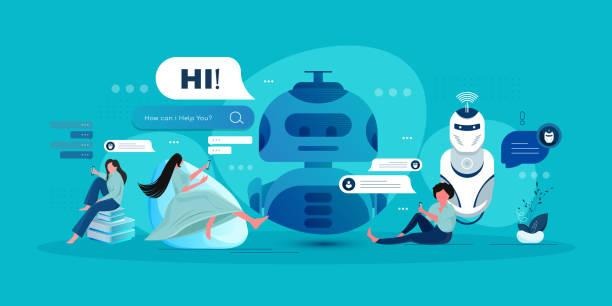

Sales teams spend an uncomfortable amount of time chasing leads that were never actually going to buy. Wrong budget, wrong timeline, wrong fit entirely — and nobody figures that out until three emails and a discovery call later. An ai sales chatbot exists to catch that mismatch earlier, right at the point of first contact, before a rep’s calendar gets involved at all. It’s not about replacing a sales conversation. It’s about making sure the humans only get pulled in once there’s a real reason to, with actual context waiting for them instead of a cold, half-blank lead form.
Qualification Happens Before a Human Ever Joins
This is where most of the time savings actually come from:
- Budget and timeline questions, asked conversationally. Far less awkward than a form field, and people tend to answer more honestly in a chat than a dropdown.
- Use-case discovery. The bot figures out what someone’s actually trying to solve, which shapes how the eventual sales conversation gets framed.
- Company size and role capture. Enough context for a rep to walk in already knowing who they’re talking to, instead of starting from scratch.
Handling the Early Objections Before They Stall Things
A surprising number of deals die on questions a bot can actually answer:
- Pricing transparency. Vague “contact us for pricing” pages lose people — a bot that gives a real range, even a rough one, keeps momentum going.
- Comparison questions. “How’s this different from [competitor]” comes up constantly, and a direct answer beats making someone dig through a comparison page.
- Implementation concerns. “How long does setup take” and “do we need a developer” are common enough to warrant a scripted, honest answer upfront.
- Trust signals in the moment. Case studies or reviews surfaced right when relevant land better than a generic testimonials page nobody clicks into.
Keeping Deals Moving Instead of Going Cold
Leads die from neglect more often than outright rejection:
- Instant meeting booking. A qualified lead can grab a slot on a rep’s calendar the moment interest peaks, not two days later.
- Automated follow-up nudges. For leads that stall mid-conversation, a well-timed check-in message often revives interest that would’ve just faded.
- Handoff notes for reps. The full conversation transcript should travel with the lead, so nobody re-asks questions already answered.
- Multi-touch consistency. The bot keeps the same tone and information across every touchpoint, unlike a rotating cast of reps handling different leads differently.
What This Doesn’t Replace
Worth being honest about the limits here, because overselling this backfires:
- Complex, consultative selling. Enterprise deals with multiple stakeholders still need a human building relationships across a whole buying committee.
- Negotiation. Custom pricing and contract terms are firmly a human conversation, not something a bot should attempt.
- Trust-building over time. Long sales cycles often hinge on relationship, and that part still rests entirely on the rep.
ChatbotsAI.net covers the conversion side of this in more depth in its piece on the best chatbot for lead generation, worth pairing with this one if you’re building out both.
Faster Qualification, Warmer Handoffs
An ai sales chatbot doesn’t need to close deals to earn its place in the funnel. Its real value sits earlier — qualifying interest, answering the objections that otherwise stall momentum, and making sure reps only spend time on leads actually worth chasing. Teams that use it this way usually find that their sales cycles are shorter and they make wasted calls. It’s not because the bot is doing the selling. It’s because the bot is doing the filtering. This filtering used to take up a morning for a sales representative.
Frequently Asked Questions
Can an AI sales chatbot actually close a deal on its own?
Rarely for anything beyond simple, low-ticket purchases — its main value is qualification and momentum, not closing complex sales.
Will leads feel put off talking to a bot instead of a rep?
Most people respond fine to it if it’s transparent and actually useful, especially compared to a slow, generic contact form.
How does it decide which leads are worth a rep’s time?
Through conversational qualification — budget, timeline, and fit signals get captured naturally and scored behind the scenes.
Does this work for B2B sales with long cycles?
Yes, though its role shifts toward early qualification and follow-up rather than driving the whole cycle to close.
What happens to leads the bot disqualifies?
Good setups still give them an honest, polite answer rather than ignoring them — poor fit today doesn’t mean never.
Is pricing transparency in the chatbot actually a good idea?
Usually, yes — vague pricing pages tend to lose more interested leads than a rough, honest range ever would.
Related Reading on ChatbotsAI.net
A few related pieces worth linking to from this article:
- Best Chatbot for Lead Generation: How AI Can Turn Website Visitors Into Customers — a natural link from the qualification section above.
- How a Customer Support AI Chatbot Can Reduce Response Times and Support Costs — worth linking from the handoff-notes discussion.
- AI Customer Service Chat: How Businesses Are Automating Customer Support — pairs well with the section on what this doesn’t replace.
- Best AI Chatbot Online: Comparing Features, Automation, and Business Benefits — fits from the automated follow-up nudges point.
- How an Ecommerce AI Chatbot Can Increase Online Store Sales — a good anchor from the pricing transparency discussion.