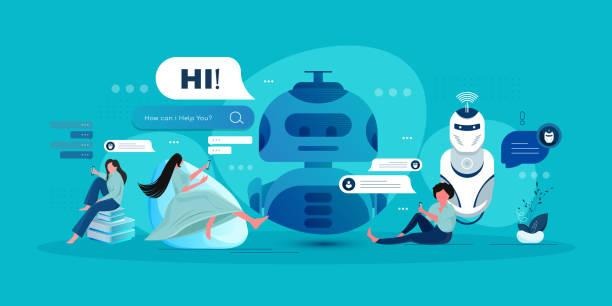

There’s nothing new about the concept of an intelligent chatbot. But chatbots built with AI are quickly going from novelty to necessity, allowing brands to respond more quickly, personalizing assistance and removing friction along the way. Below, learn how AI-powered chatbots are streamlining conversations – and creating better outcomes – across websites, mobile apps, and messaging platforms.
Defining an Intelligent Chatbot
Traditional chatbots typically scan for keywords and try to match queries with canned responses or structured pathways. Rules-based bots are limited to answers pre-defined by their programming.
An intelligent chatbot is different. By applying machine learning, natural language understanding, and contextual awareness, AI can determine user intent, provide answers that sound natural, and learn over time. As a result, it’s far more capable than its rule-based counterparts.
Instead of getting stuck or forcing someone into a drawn-out menu, an intelligent chatbot can understand different ways of asking the same question, recall previous messages in a conversation, and nudge someone towards the correct solution.
The Website Chatbotsai.Net Does A Great Job Of Showing Businesses How Smarter Chatbots Fit Into Customer Journeys.
Giving Customers the Fast Support They Demand
It’s no secret that people want fast answers when they reach out for help. Whether online or over the phone, customers grow anxious when they have to wait a long time to speak with someone. Even more frustrating: not knowing how long they will have to wait.
Instant replies from chatbots can lighten the load on live support teams and give people instant replies. There’s comfort in knowing that help is on the way immediately, not after someone else finishes working through a queue of questions.
Chatbots also instill a sense of control because customers can handle multiple chats at once. And, whether it’s morning or late at night, customers appreciate that AI doesn’t get tired, miss shifts, or respond inconsistently.
Teaching Chatbots to Learn From Past Conversations
AI is trained using past conversations, surveys, and other feedback from customers. Combined with ongoing user interactions, this allows the system to continually evolve.
The algorithms learn which answers provide quick resolution and which questions cause people to disconnect. With large amounts of data, chatbots start to recognize patterns and can deliver smarter experiences over time.
Many solutions also use intent recognition and entity extraction to discover what a person is trying to accomplish and what information will help fulfill that intent. With this knowledge, chatbots can filter through unnecessary data and focus on replies that will help progress the conversation.
Deploying Smart Chatbots Across Every Interaction
Customers interact with bots when they want quick answers to simple questions. Businesses benefit when chatbots tackle low-value tasks that would otherwise consume agents’ time.
For example:
- Answering common questions quickly
- Routing to agents for complex queries
- Capturing leads when the contact center is closed
- Assisting with order tracking or appointment schedules
- Providing service in multiple languages at scale
- Alleviating pressure on customer support teams
Each of these use cases adds value and allows companies to automate repetitive tasks. There will always be a need for human interaction, but chatbots handle high-volume requests efficiently, leaving agents free to manage conversations that require empathy and context.
Delivering Answers Customers Feel Good Sharing
Expectations around artificial intelligence are changing, too. When chatting with a bot, customers want:
Contextual Replies That Don’t Repeat Questions
Conversational intelligence has come a long way. People don’t want to feel like they’re talking to a robot. They expect chatbots to understand the conversation’s context and pick up where previous questions left off.
A Seamless Handoff to Human Agents
Self-service is nice, but bots aren’t perfect. When that happens, it’s important to connect someone to live support quickly. Intelligent chatbots make this transition smooth by routing the conversation over without asking the customer to start over.
Trust They Won’t Be Locked Into Automation
Companies can achieve this by making it easy to speak with a human. Messaging apps, for example, have built-in expectations that people can type hello to a chatbot and instantly chat with a live support agent. When in doubt, provide an option to connect with a human being.
Building Trust Through Design
Customers won’t trust your bot if they don’t know they’re talking to one. Let users know who they’re speaking with upfront and explain how the bot can assist. This transparency allows folks to decide whether or not they’re comfortable sharing personal information.
It also reduces frustration during highly sensitive conversations. For instance, if a bot tells someone his or her password has been changed, it should provide links to reset the password rather than try to convince him or she it’s the correct password.
Conversation flows are important too. Unless everyone loves filling out surveys, forcefeeding people yes or no questions won’t produce useful results. Conversations should move naturally, offering folks options without trapping them into making a choice just to progress.
Personalization Improves Every Interaction
People appreciate knowing a bot has been listening, too. When autocorrect changes words people didn’t intend to send, it’s easy to feel like someone doesn’t care about what you have to say.
Not only does personalization help bots sound less robotic, but it also allows for recommendations based on past purchases, geographic location, and previous interactions. Learning from previous conversations smooths the experience since customers won’t have to provide the same info each time they ask a question.
Current Limitations of Chatbots
Here’s the catch: machines don’t know everything. If a bot doesn’t have access to the right information at the right time, it will make something up. Because it sounds confident in its response, people tend to assume the bot knows what it’s talking about – even when it doesn’t.
Privacy: When interacting with bots, people often share personal or financial data. Imagine placing an order online then being asked for your credit card information. Asking for this data is one thing, but making sure it’s secure is your responsibility.
The Future of Customer Experience With Ai Assistants
Instead of replacing humans, chatbots will augment live agents by answering frequently asked questions and routing customers to the right person. As NLU improves, bots will get better at sensing when someone needs help and offer to assist without being asked.
This is already happening in the world of voice. Thanks to smart speakers like Alexa and Google Home, people are becoming accustomed to talking with machines. As conversational technology expands across more channels – from web chat to email assistants and IVRs – we’ll expect bots to understand intent and maintain a cohesive experience regardless of how we access them.
Early investments will pay off in the years to come. Businesses that leverage AI to provide quick answers – while also routing customers to the right resource – will improve satisfaction while decreasing strain on live support teams.