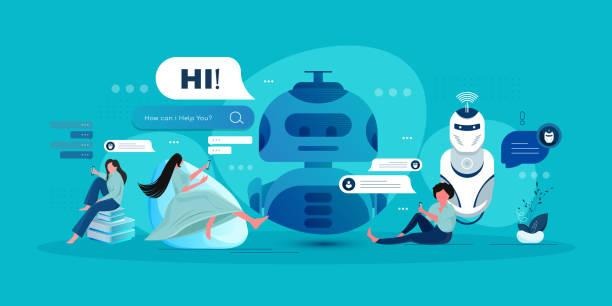

Gone are the days of waiting for visitors to submit forms into a black hole only to follow up manually later. Automated chat experiences make it possible for marketers to respond instantly, capture intent, and move conversations forward toward the next best action.
Lead Generation Tasks Marketing Bots Can Perform
Marketing bots work as helpful assistants anyone can visit on your website, landing pages, or messaging channels. They can welcome visitors, ask qualifying questions, and route contacts based on answers. As a result, teams generate leads faster, create personal experiences, and reduce dependence on follow-up tasks.
Some bots can discover intent earlier in the conversation and capture contact information without applying pressure. This process is crucial since visitors will often want answers right away before they feel ready to talk to sales. Automated chat lets you offer information instantly, keeping the conversation going until your visitor is ready to engage further.
Capturing Leads Quickly Is Crucial
We’ve all seen those stats that say 70% of people who visit a webpage have buying intent. But they also say that nearly half of those visitors leave if they don’t find what they need right away. Marketing bots can drastically decrease that abandonment rate by responding within seconds of someone’s arrival.
Not only do chatbots speed things up, but they also ensure consistent experiences. No matter where traffic originates (paid ads, email links, or organic searches), visitors will receive the same keywords and chat structure every time. When your whole team experiences the same level of qualified leads from traffic, everyone can improve.
Qualifying Questions a Bot Can Ask Visitors
Sure, not every visitor will be ready to talk. That’s why marketing bots are so valuable. By asking one or two simple questions, your bot can understand need, budget, projected timeline, and buyer role. Once qualified, it can hand off the lead to someone who can continue the conversation.
- Visitors ready to speak with sales can be separated from those who aren’t.
- Qualifying questions can also determine which product or service fits their needs.
- Bots can capture email addresses without forcing users to fill out a lengthy form.
- Marketing bots can instantly route higher-quality leads to sales.
- Keywords and responses can be tagged for later segmentation.
- Relevant content offers can be presented based on user intent.
Using Language to Tailor Bot Conversations
Let’s face it, automated conversations won’t convert if everyone hears the same generic messages. Responding to what visitors say (or click) allows bots to tailor conversations accordingly. Someone inquiring about pricing shouldn’t receive the same reply as another visitor researching support topics.
Customized conversations create a more natural path toward a conversion event. Whether that’s focusing on industry, location, mentioned products, or pages they viewed on your website – marketing bots can use that data to sound more human. When bots sound human, people are more likely to give you their information.
Conversational Strategies for Lead Capture
Marketing bots aren’t brain surgeons. At least not yet. But they can effectively capture leads when the conversation flow works. Here are a few strategies to guide you:
- If visitors aren’t sure what to do, clear opening questions guide them.
- Give visitors simple answer choices so they don’t feel overwhelmed.
- Use short sentences and paragraphs. Think chat, not essay length.
- Include a clear call to action with every response.
- And once visitors are qualified, make sure there’s a seamless handoff to humans.
- Ensure your chat bot is mobile-friendly as many users will use it on a phone.
In many ways, chat bots are comparable to landing pages. They both should be specific to a particular goal. While landing pages strive to get visitors to take action, bots should strive to move a conversation forward.
Marketing Bots Can Be Useful at Every Stage
Chat bots don’t have to live only at the bottom of your website. There are many scenarios where they can add value throughout the funnel.
Just like you would give a sales rep an opportunity to speak with leads, bots should give visitors a chance to learn more about what you have to offer. For new visitors, chat bots can send informative guides. For visitors that appear in the middle of the funnel, chat bots should address common objections. And for visitors that have been around before, bots can provide them with that last little bit of information they need before committing.
Tracking Success With Marketing Bots
While it’s nice to look at overall chat volume, that metric doesn’t paint the full picture. High volumes could mean nothing more than confused visitors asking bots random questions that leads nowhere.
Metrics you should care about when using bots for lead generation include conversation completion rates, lead capture rates, qualified lead rates, demo bookings, and human handoff success. Leading metrics will allow you to identify where users are dropping off and why. If people aren’t completing conversations, it could be your copy that needs to change.
Avoid These Mistakes With Bots
Trying to capture too much information too soon will turn visitors off. As well as making your bot sound unnatural. You don’t want to annoy your visitors by bombarding them with questions. And remember, placing a chat bot within a popup that must be dismissed forces visitors to interact with your bot before they want to. That will kill trust faster than trying to capture a lead’s info with dozens of questions.
Not having a strong message match between what your ads say and what your bot communicates is another mistake that will decrease lead generation via bots. If your ad offers X, but upon visiting your website, the bot starts asking qualifying questions about unrelated topics, your visitor will feel misled and is unlikely to continue the conversation.
There Will Always Be a Need for Human Assistance
Even with the best automated conversations, there will always be qualified leads who want to speak with a human before taking the next step. Maybe they have more detailed questions about pricing, or perhaps they just don’t feel comfortable providing their information without talking to a real person first.
If that happens, your bot should be smart enough to hand those conversations off to live agents smoothly. As long as marketers continue to use chat bots to automate low-level conversation and route qualified leads to the correct humans, those bots will continue to help your business generate more leads.